
Quick Facts
- New warehouses average about 150,000 square feet.
- Warehouse size depends on inventory, operations, and growth.
- E-commerce and automation are driving larger facilities.
- Taller warehouses increase storage capacity.
- Businesses upgrade warehouses as they grow or relocate.
What’s In This Guide
Warehouses play an important role in storage, distribution, and everyday business operations. Their size can vary depending on industry, location, and operational needs. Understanding typical warehouse dimensions can help businesses better evaluate space requirements and plan for growth.
Here are the key insights into the average size of a warehouse.
How Big Is the Average Warehouse
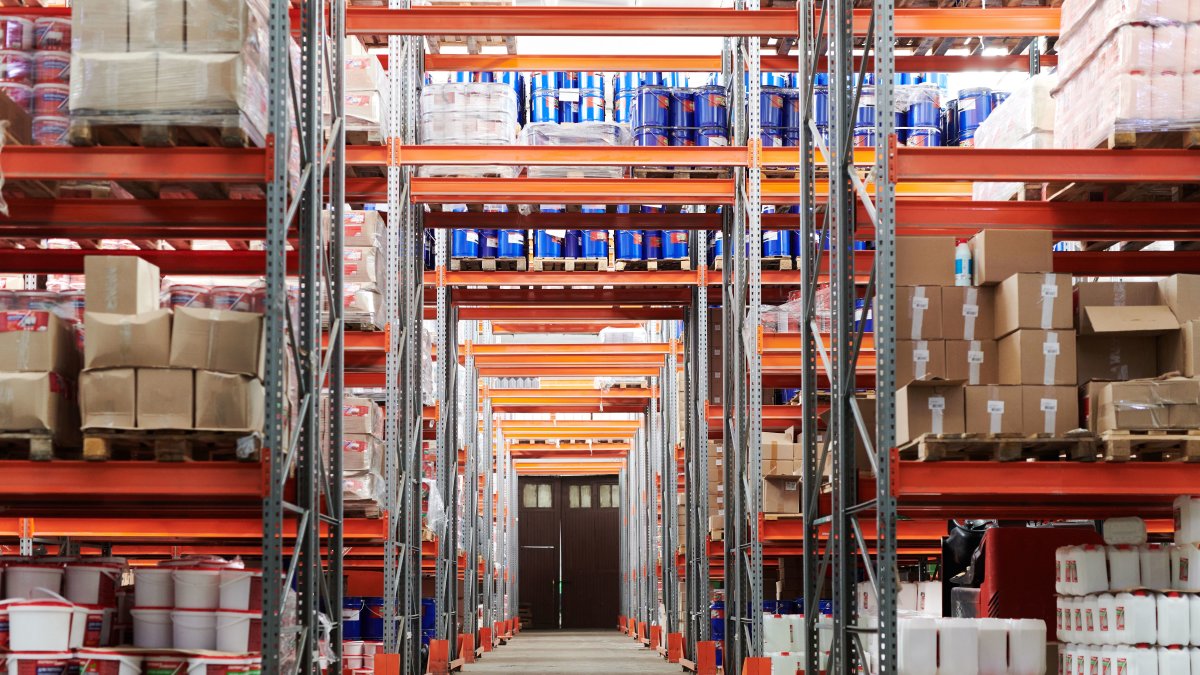
The answer has shifted in recent years. While warehouse sizes vary by use and location, recent data suggests that the average size of new general warehouses is now about 150,000 square feet, reflecting a broader move toward facilities closer to urban areas.
That figure shows how warehouse strategy is changing. Instead of focusing only on massive regional facilities, many businesses now prioritize locations that support faster delivery and better access to customers.
As a useful point of context, the United States had just over 1 million warehouse and storage buildings in 2018, with a combined 17.4 billion square feet of floorspace. That scale highlights how important warehouse space is to transportation, storage, and distribution across the country.
Why Warehouse Sizes Have Increased Over Time
Warehouse design has evolved alongside modern supply chains. Several industry shifts have contributed to larger facilities and expanded storage capacity.
Growth of E-Commerce
Online retail has dramatically increased inventory storage requirements. E-commerce companies must stock thousands of products and ship orders quickly to meet customer expectations. Larger buildings allow businesses to hold more inventory and operate faster order fulfillment systems.
Centralized Distribution Networks
Many companies now rely on fewer but larger distribution centers. Instead of operating multiple smaller warehouses, businesses often consolidate operations into regional hubs that can serve wider geographic areas. This strategy improves efficiency in warehouse logistics and reduces transportation costs.
Automation and Technology
Modern warehouses frequently use robotics, automated picking systems, and conveyor networks. These technologies require additional floor space for equipment and inventory movement. Automation has become a major driver behind the increase in average warehouse square footage.
Vertical Storage Expansion
Size is no longer measured only by floor area. Modern facilities also focus on vertical storage capacity. Increasing warehouse height allows companies to maximize storage without expanding the building footprint. Today, the typical warehouse height in new facilities often exceeds 32 feet, which supports taller shelving systems and high-density pallet storage.
How to Determine the Right Warehouse Size for Your Business
Choosing the right warehouse is not only about comparing square footage. Businesses must evaluate operational needs, growth potential, and inventory requirements. The following steps can help determine the right facility size.
Step 1: Evaluate Inventory Volume
Begin by estimating the amount of inventory your business stores at any given time. Seasonal demand, product turnover, and safety stock levels should all be included in this calculation.
Step 2: Calculate Storage Requirements
Next, determine how inventory will be stored. Pallet racks, shelving systems, and bulk storage areas all affect the total space required. Businesses should also consider warehouse height because vertical storage can significantly increase capacity without increasing floor area.
Step 3: Account for Operational Space
Warehouse operations require more than just storage areas. Businesses must allocate space for loading docks, packing stations, equipment movement, and employee work areas. These operational zones often consume a significant portion of the average warehouse square footage.
Step 4: Plan for Business Growth
Companies should avoid selecting a facility that only meets their current needs. Choosing a warehouse with additional capacity allows businesses to expand inventory levels without needing to relocate again in the near future.
Step 5: Consider Location and Accessibility
Warehouse location affects transportation costs and distribution speed. Proximity to highways, ports, and urban markets can influence the size and design of a facility. In large metropolitan areas such as New York, NY, businesses often prioritize accessibility and logistics efficiency when selecting warehouse space.
➤ ALSO READ: Everything You Need to Know About Warehousing and Distribution: A Complete Guide for 2025
Common Situations When Businesses Need a New Warehouse
Businesses often start looking for a new warehouse when their current space no longer supports day-to-day operations efficiently. In most cases, the need comes from growth, changing fulfillment demands, or a shift in location strategy.
Rapid Business Growth
As inventory levels increase, existing storage space can become harder to manage and less efficient to operate. Businesses that add products, serve more customers, or scale up operations often need a larger warehouse to keep pace.
Transitioning to E-Commerce
Moving into e-commerce usually increases the need for space dedicated to picking, packing, and shipping. Businesses may need a new warehouse to support faster order processing and higher product volume.
Consolidating Multiple Locations
Some companies choose to combine inventory from several smaller locations into one larger facility. This can simplify operations, improve visibility, and create a more efficient distribution setup.
Relocating Closer to Transportation Routes
A warehouse in a better location can improve delivery speed and reduce transportation costs. Businesses often move closer to highways, ports, or rail access to strengthen logistics and streamline distribution.
Frequently Asked Questions
How often do companies relocate or upgrade their warehouse space?
Warehouse relocation usually occurs when businesses expand, restructure operations, or change distribution strategies. Some companies move every several years as they grow, while others remain in one facility for longer periods. Changes in inventory volume or logistics demands often trigger the decision.
What industries rely most heavily on warehouses?
Several industries depend on warehouse facilities for storage and distribution. Retail, e-commerce, manufacturing, and wholesale trade are among the most common sectors using warehouse space. Logistics providers also manage large facilities for multiple clients.
What is the difference between a warehouse and a distribution center?
A warehouse primarily focuses on storing goods for a period of time. A distribution center, on the other hand, is designed for faster product movement and order fulfillment. Distribution centers often handle sorting, packaging, and shipping operations.
How can businesses improve warehouse productivity?
Improving warehouse productivity often begins with better organization and process management. Clear inventory tracking, efficient workflows, and optimized storage layouts can increase efficiency. Technology such as warehouse management systems can also streamline operations.
What challenges are involved in moving a warehouse?
Warehouse moves can be complex because they involve large volumes of inventory and specialized equipment. Businesses must coordinate packing, transportation, and reinstallation while minimizing operational downtime. Careful scheduling is often needed to avoid disruptions to shipments or production.
Planning a Warehouse Move or Expansion? Work With Experienced Commercial Movers
Choosing the right warehouse size affects storage, workflow, and long-term efficiency. Understanding the average size of a warehouse can help businesses make smarter decisions as they prepare for growth.
When it is time to relocate inventory, equipment, or operations, careful planning matters. For businesses in New York, NY, Commercial Movers By Best offers professional support for smooth commercial and industrial moves.
Contact Commercial Movers By Best today to plan your warehouse move with confidence.