
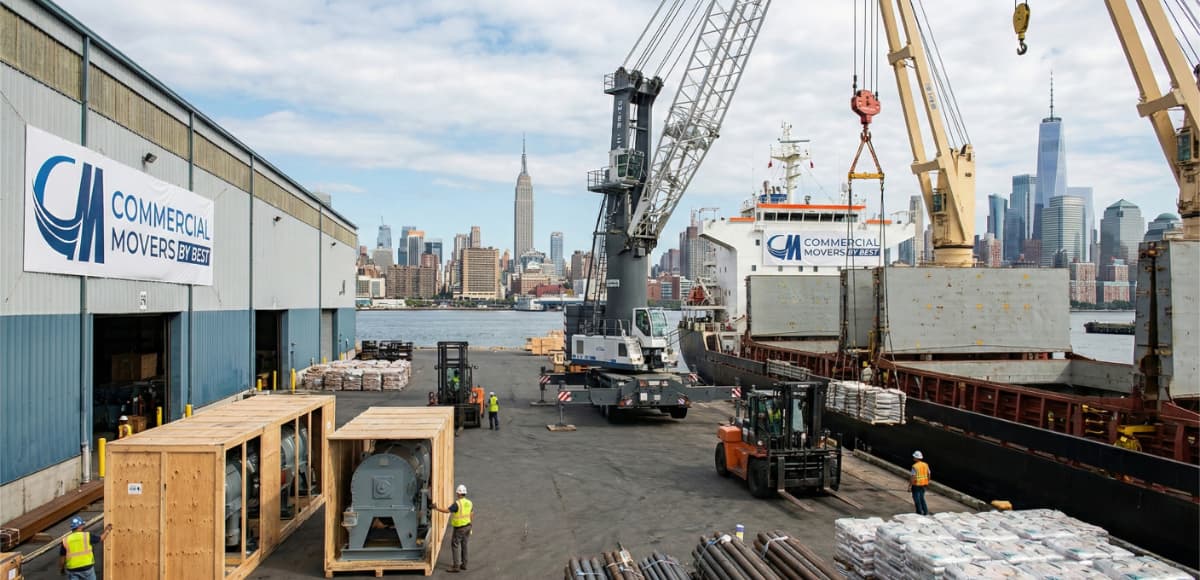
Breakbulk shipping is back in the spotlight because global freight is less predictable than it was even a few years ago. UNCTAD reports global maritime trade reached 12.3 billion tons in 2023 and projects continued growth through 2029, even as geopolitics and climate disruptions add risk to planning and transit times.
For many businesses, this uncertainty increases the value of flexible staging and delivery control, including securing a storage warehouse in NY to receive, sort, and time-release materials to job sites or facilities.
Table of Contents
Key Takeaways✔ Breakbulk cargo ships as individual, countable units (crates, bundles, pallets), not sealed in containers. ✔ Break bulk shipping adds handling touchpoints, so packaging, labeling, and documentation must be tight. ✔ Staging in a storage warehouse in NY helps businesses control timing when jobsites are not ready. ✔ Terminal and delivery constraints (equipment, access, appointments) are often where breakbulk timelines slip. ✔ Treat breakbulk like a project plan, not a simple booking, to reduce delays, damage, and re-handling. |
What Is Breakbulk Cargo?
What is breakbulk cargo in practical business terms? It is freight that moves piece by piece, often crated, palletized, bundled, or otherwise unitized, because it does not fit the container model or is not efficient to containerize.
Port economists describe the classic definition of break bulk as goods that do not fit into a standard container, while noting the modern category can span from oversized units to more conventional piece cargo.
What Counts as Breakbulk Cargo?
Many shipments become breakbulk cargo because of shape, handling needs, or delivery requirements, not just size. Common examples include:
- Crated machinery and industrial components
- Bundled steel, pipe, or fabricated assemblies
- Palletized bagged goods and building materials
- Drums, reels, and large spares for maintenance shutdowns
- Project cargo moving in timed phases to multiple sites
Businesses often choose break bulk shipping when container loading creates wasted space, introduces damage risk, or complicates delivery sequencing for jobs that need specific pieces first.
What Makes Breakbulk More Complex Than Standard Freight?
Breakbulk is management-heavy because it increases the number of moments where something can go sideways.
- More touchpoints: Each lift is a risk and a time variable.
- More documentation pressure: Piece counts, weights, and dimensions must match reality.
- More exposure: Weather and staging conditions matter more than in sealed containers.
That complexity is why businesses treat breakbulk cargo as a coordinated logistics plan, not a simple booking.
How Breakbulk Cargo Shipping Works
Cargo Preparation and Packaging
Strong packaging is the first risk control in break bulk shipping. Crates, skids, blocking and bracing, and weather protection should match how many lifts and transfers your freight will see. For fragile or high-value pieces, packaging is also your insurance story, because claims often hinge on whether cargo was reasonably protected for the mode.
Pickup and Staging
This is where a storage warehouse in NY can change outcomes. Piece cargo often arrives in waves, from multiple suppliers, and does not always line up with vessel cutoffs, rigging windows, or jobsite readiness. Staging lets you receive freight, confirm piece counts, rewrap or reband if needed, and release shipments when the site can actually take them.
Terminal Handling and Transfer
Terminals use forklifts, cranes, and rigging teams depending on the cargo. Because breakbulk cargo is handled as units, labeling, piece IDs, and documentation must match what is physically on the floor. Missing labels and mismatched counts are a classic source of delays.
Loading, Securing, and Transit
Breakbulk is loaded by lift. Securing can involve dunnage, lashing, and engineered bracing based on the cargo’s center of gravity and the voyage profile. The goal is simple: no movement, no contact damage, and no water intrusion.
Delivery and Final Placement
Final delivery is where businesses in dense metros get surprised. Street access, dock heights, appointment windows, and on-site equipment availability can make or break a timeline. Planning delivery like a project, not a basic drop, is often the difference between smooth execution and costly re-handling.
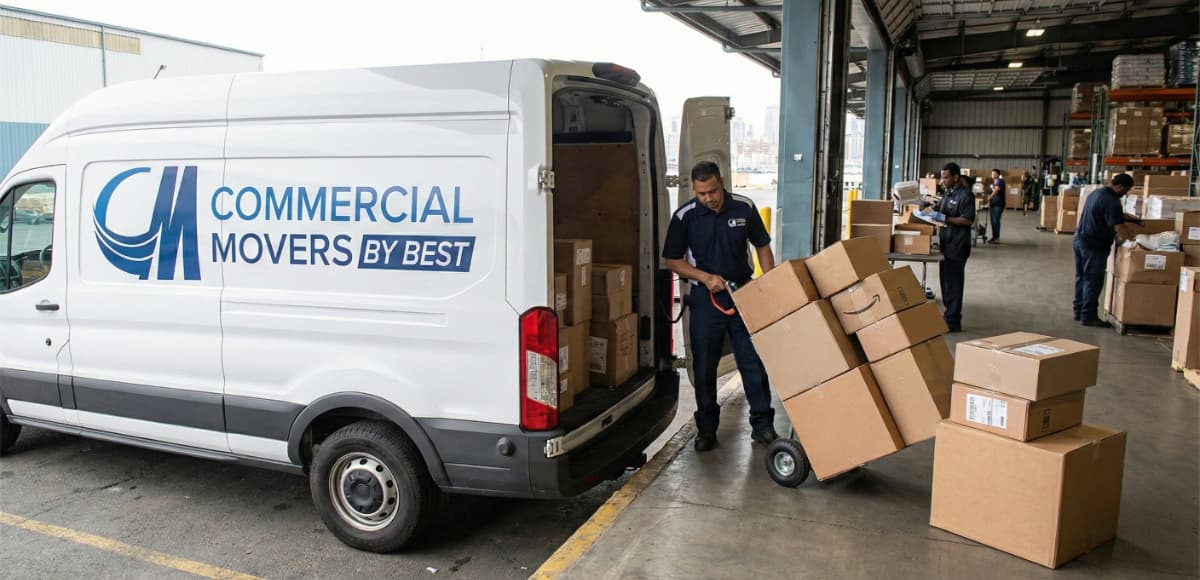
Why Warehousing Matters for Breakbulk Cargo in NYC
NYC-area deliveries are timing-sensitive. When your building, jobsite, or facility cannot receive freight immediately, warehousing becomes a strategy, not a fallback.
A storage warehouse in NY can help businesses:
- Receive breakbulk cargo in advance and verify piece counts
- Stage multi-vendor shipments into cleaner delivery waves
- Protect cargo while waiting on permits, crews, or site readiness
- Reduce jobsite congestion and unplanned re-deliveries
If your team has ever paid for a “failed delivery” due to access issues or missed windows, you already understand the business case.
Frequently Asked Questions (FAQs)
What is the difference between LCL and break bulk?
LCL (less than container load) means your shipment shares space inside a standard ocean container with other shippers’ cargo, and it is typically consolidated and deconsolidated at a container freight station. Break bulk cargo, by contrast, is shipped as individual pieces like crates, bundles, reels, or machinery, handled unit by unit instead of being packed into a container.
What are the five commonly shipped break bulk cargoes?
Common break bulk cargoes include steel products (beams, coils, pipe), crated machinery and industrial equipment, lumber and timber, paper products like rolls or pulp, and various construction materials or fabricated components that move as distinct, countable units.
What equipment is used for break bulk cargo?
Break bulk cargo is usually handled with cranes (port or mobile), forklifts including heavy-capacity models, and rigging gear such as slings, chains, and spreader bars for safe lifting. On the inland side, flatbed or step-deck trailers are often used to move oversized or irregular pieces, along with skids and other supports for staging and stability.
What is the difference between general cargo and breakbulk cargo?
General cargo is a broad term for non-bulk goods and can include items shipped in containers as well as cargo shipped in individual units. Breakbulk cargo is a subset of general cargo that specifically moves as separate pieces rather than in containers, which is why it typically involves more handling and coordination.
What are the 5 major dry bulk cargoes?
The major dry bulk cargoes commonly cited in global shipping include iron ore, coal, grain, bauxite (and alumina), and phosphate rock. These commodities are shipped loose in bulk carriers rather than packaged as individual units.
Need Breakbulk Support and Warehousing In NYC?
If your business is handling breakbulk, the smartest approach is to manage the move like a commercial project: confirm piece counts, packaging, lift requirements, building access, and delivery windows, then use staging when timing is tight.
Commercial Movers By Best helps NYC businesses move breakbulk cargo into offices, warehouses, job sites, and commercial facilities with coordinated receiving, staging, and scheduled delivery.
Contact us today to learn more about our services.