
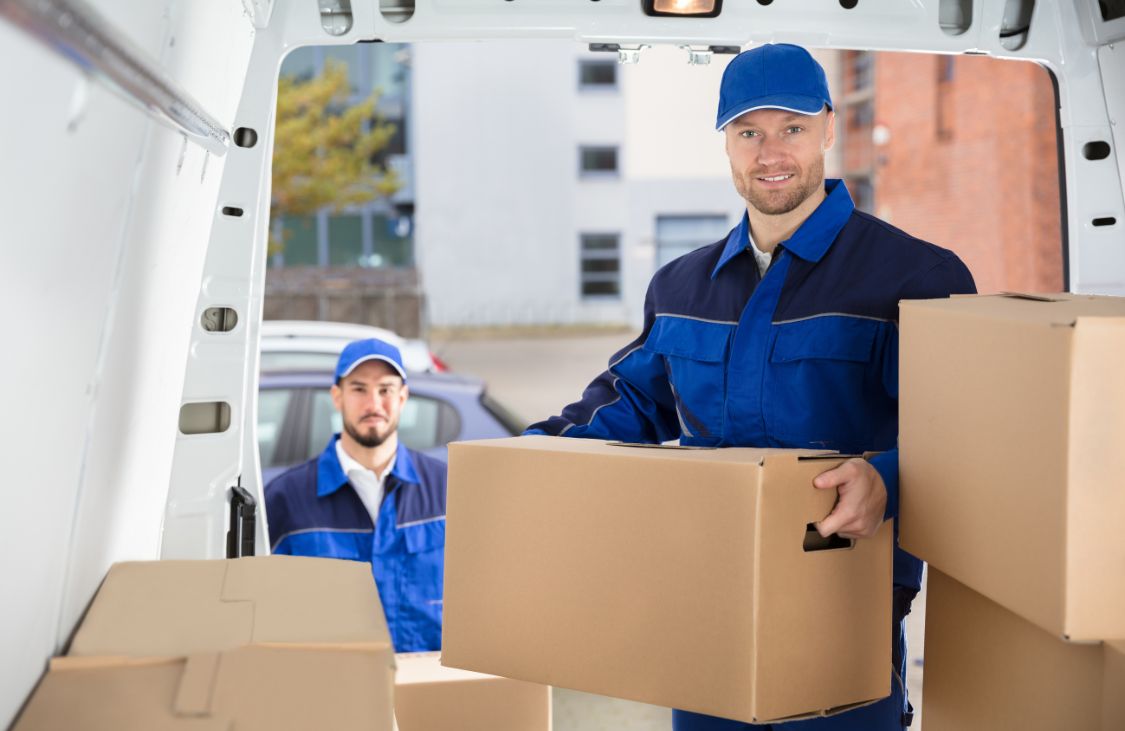
Last mile delivery may seem straightforward, but it is one of the most inefficient and expensive parts of logistics. In fact, last mile delivery accounts for approximately 53% of overall delivery expenses.
Delivering small shipments to many individual locations drives up labor, fuel, and vehicle costs, especially in dense urban areas where traffic, parking limits, failed deliveries, and same-day expectations add even more pressure.
To understand the cost, it helps to look at how last mile delivery works and the factors driving its expense.
Table of Contents
Key Takeaways✔ Last mile delivery costs more because small, fragmented routes drive up labor, fuel, and time. ✔ Urban congestion and parking limits significantly increase last mile delivery costs in NYC. ✔ Labor and vehicle expenses are the biggest contributors to rising supply chain costs. ✔ Faster delivery expectations reduce efficiency and raise cost per stop. ✔ A 3PL warehouse New York businesses rely on can help lower last mile delivery costs. |
Why Is It Called Last Mile Delivery?
The term “last mile delivery” originally comes from telecommunications and refers to the final connection between a provider and the customer. In logistics, it describes the last step of moving goods from a warehouse or distribution center to the end customer.
Although this distance is short, it is often the most complex due to urban navigation, delivery coordination, and unpredictable conditions.
What Is the Concept of Last Mile Delivery?
Last mile delivery is where logistics performance becomes visible to the customer. Even if earlier stages run smoothly, a delayed or missed final delivery shapes how a business is perceived.
Unlike long-haul transportation, last mile delivery lacks scale and predictability, with constantly changing routes, stops, and customer requirements. This fragmentation is where many supply chain costs accumulate.
Key Factors Driving High Costs
Low Delivery Density
Delivery density measures how many stops a driver can make in one area. In many NYC routes, especially B2B deliveries with strict time windows, density is low. Fewer stops per route raise the cost of each delivery and are a core reason why is last mile delivery so expensive.
Urban Congestion
Traffic congestion in New York City directly increases delivery costs. Delays extend labor hours and fuel consumption while complicating schedules. Limited parking and loading zones add even more time to each stop.
Labor Costs
Labor is one of the biggest drivers of rising supply chain costs. Drivers are paid for time, not distance, which makes slow routes especially expensive. Higher wages, overtime rules, and labor regulations in NYC further increase last mile expenses.
Failed Deliveries
Failed delivery attempts are costly and disruptive. They require re-routing, additional labor, and often customer service involvement. Industry data shows that about 5% of last mile deliveries fail, with each failed attempt costing close to $17.78 on average.
Customer Expectations
Customer demand for same-day and next-day delivery reduces routing flexibility. Businesses often prioritize speed over efficiency to meet expectations. Smaller orders and narrow delivery windows increase cost per stop.
Fuel & Vehicles
Urban deliveries consume more fuel per mile than long-haul routes. Vehicle maintenance, insurance, tolls, and accelerated wear add to operating expenses. Together, these factors make fleet management a major contributor to overall supply chain costs.
Technology
Technology improves visibility and efficiency but comes at a cost. Route optimization tools, tracking systems, and delivery software require upfront investment and ongoing support. While they help reduce long-term inefficiencies, they increase short-term delivery expenses.
How Much Does Last Mile Delivery Cost?
There is no single price for last mile delivery because costs vary widely by location, delivery speed, and operational complexity. In dense urban markets like New York City, last mile delivery is often one of the largest contributors to overall supply chain costs.
Typical factors that influence last mile delivery cost include:
- Delivery location and density: Urban routes with low delivery density increase cost per stop, which helps explain why is last mile delivery so expensive in NYC.
- Speed and service level: Same-day and next-day delivery options significantly raise labor and routing costs.
- Labor and compliance requirements: Driver wages, overtime, and regulatory compliance directly impact pricing.
Fuel, tolls, and vehicle expenses: City driving increases fuel use, maintenance, and wear on vehicles
How to Handle Last Mile Delivery More Effectively
Managing last mile delivery requires balancing cost control with service reliability. Businesses that take a strategic approach are better positioned to reduce risk and stabilize supply chain costs.
- Evaluate your delivery model: Review whether in-house delivery is still cost-effective and identify issues like low route density or frequent failed deliveries.
- Optimize routes and delivery planning: Use data-driven routing to reduce miles and labor time, and consolidate deliveries to improve efficiency.
- Set realistic customer expectations: Align delivery promises with operational capacity and avoid prioritizing speed over reliability.
- Leverage a 3PL warehouse New York businesses trust: Position inventory closer to customers, reduce investment in fleets and warehouse space, and stay flexible during peak demand periods.
Frequently Asked Questions (FAQs)
Is last mile delivery more expensive for B2B or B2C businesses?
Last mile delivery is often more expensive for B2B businesses in urban areas because of strict delivery windows, larger shipments, and lower route flexibility, all of which increase supply chain costs.
Does outsourcing last mile delivery help reduce supply chain costs?
Yes. Outsourcing to an experienced provider or a 3PL warehouse New York businesses rely on can improve delivery density, reduce labor expenses, and lower overall supply chain costs.
How does warehouse location affect last mile delivery pricing?
Warehouse location plays a major role. Inventory stored closer to customers shortens delivery routes, reduces fuel and labor time, and helps explain why is last mile delivery so expensive when warehouses are located farther away.
Can technology alone solve high last mile delivery costs?
Technology improves efficiency, but it cannot eliminate high costs on its own. Without proper routing, labor planning, and inventory placement, technology may increase expenses rather than reduce them.
Why do last mile delivery costs keep rising each year?
Rising labor wages, fuel costs, urban congestion, and higher customer delivery expectations continue to push last mile delivery costs higher, especially in major cities like New York.
Take Control of Your Last Mile Delivery Costs
If you are still asking why is last mile delivery so expensive, the answer is clear. Complexity, density, labor, and customer expectations all converge at the final step.
By rethinking your logistics model and working with experienced partners like Commercial Movers By Best, you can reduce risk, improve reliability, and bring long-term stability to your supply chain costs.
Contact Commercial Movers By Best to explore smarter, more cost-effective delivery solutions built for NYC businesses.